
A sliding glass door is the part of a house you use every day without thinking about it, right up until it sticks, rattles, leaks or will not lock. Most sliding door problems come from three things: dirty or damaged tracks, worn rollers, and weatherstripping or seals that have given up. The good news is that cleaning and a simple roller adjustment fix a large share of them. The less good news is that cracked glass, failed sealed units and bent frames are not DIY jobs, and the door is heavy enough to hurt you if it drops.
This guide goes through the common faults, what causes them, what you can try yourself, and when to get a technician involved.
How a sliding door works
A sliding patio door has one fixed panel and one panel that slides on rollers along a track at the bottom. The moving panel hangs from or rides on a pair of wheels set into the bottom rail, and the weight of the glass is carried by those wheels and the track. A latch on the edge locks the door to the frame, and weatherstripping or a pile strip around the edges blocks air and water.
Because everything depends on the track and the rollers being smooth and aligned, problems tend to start small and build. A little grit in the track makes the door slightly harder to push, which wears the wheels, which makes the door sag, which scrapes the track, which makes it harder to push.
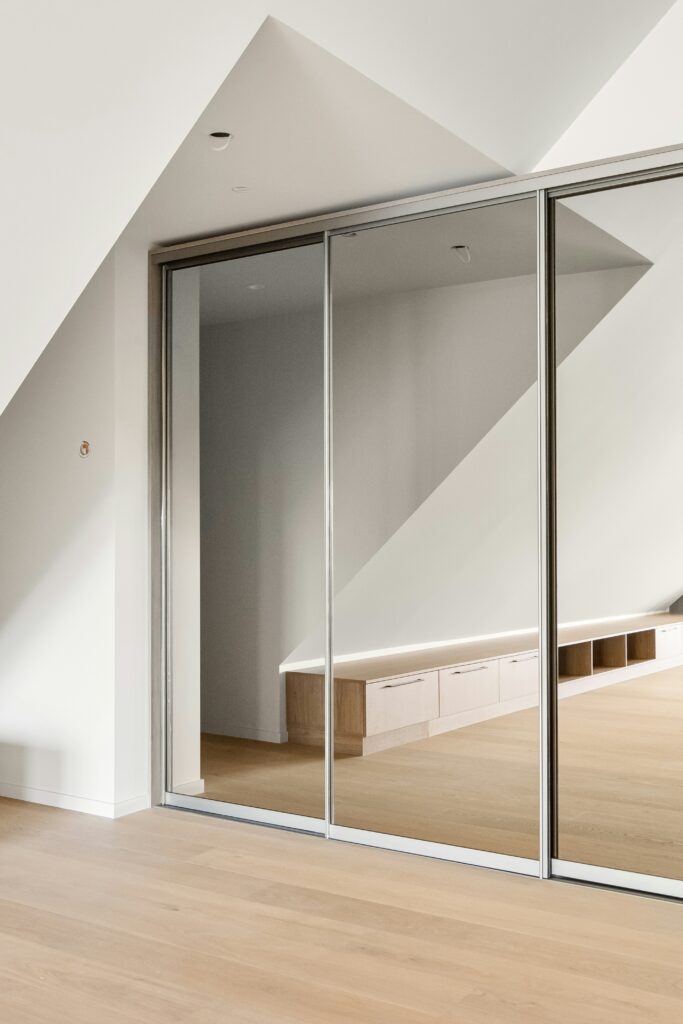
Problem 1: the door sticks or is hard to slide
This is the most common complaint, and the easiest to fix.
Likely causes
- Dirt, dust, pet hair, leaves or grit in the bottom track
- Worn or damaged rollers
- A track that is bent, dented or corroded
- A door that has dropped out of alignment
- Paint or sealant stuck in the track
What to try
1. Vacuum the track using a crevice tool, getting into corners and the end tracks.
2. Scrub with an old toothbrush and a little mild cleaner, then wipe dry.
3. Clean the bottom edge of the door panel and the wheel recesses where you can reach.
4. Apply a silicone-based lubricant lightly along the track. Avoid oil-based sprays that attract dirt, and keep lubricant off the glass and weatherstripping.
5. Slide the door back and forth and see if it improves.
If the door still drags, the rollers are the likely culprit. Most doors have adjustment screws at the bottom corners of the moving panel that raise or lower the wheels. A quarter-turn at a time on each side, checking the movement as you go, can fix a door that is rubbing on the track. Keep both sides even so the door stays square.
Problem 2: the door jumps off the track
If the door comes out of its track, stop and take care. The panel is heavy and the glass is brittle at the edges. Do not force it back with a pry bar.
Likely causes
- Worn rollers allowing the door to ride up
- A bent track
- Missing anti-lift blocks or screws at the top
- A door that has been lifted or slammed
- An impact, such as a pet or person leaning into it
What to do
- With a second person, lift the door by its frame and set the wheels back into the track.
- Check the anti-lift screws or blocks near the top of the moving panel and adjust them so the door cannot lift out of the track.
- Inspect the rollers for flat spots or damage. Replace them if needed.
If the door keeps coming off, there is probably a damaged track or a wheel problem. Ask for a technician, because repeated knocks can crack tempered glass at the edges.
Problem 3: the door will not lock or latch
Likely causes
- The door has sagged, so the latch no longer meets the keeper
- The keeper on the frame has shifted
- Dirt or a broken spring inside the latch
- A worn lock mechanism
What to try
1. Adjust the rollers to bring the door up to its original height.
2. Look at the latch hook and the keeper to see whether they line up. Many keepers can be loosened and moved slightly.
3. Spray a small amount of lock lubricant into the mechanism and cycle it a few times.
A door that does not lock is also a security issue. Until it is repaired, you can place a wooden or metal bar in the track as a temporary block. A door pin or a security bar is a cheap extra line of defence even when the lock works.
Problem 4: draughts, whistling and rain getting in
Likely causes
- Worn or compressed weatherstripping
- Gaps between the door and the frame due to sag
- Failed sealant on the exterior side of the frame
- Blocked weep holes in the track that make water pool and overflow
What to try
- Replace worn pile or bulb weatherstripping with a matching profile.
- Clear the weep holes at the bottom of the frame so water drains away.
- Check exterior caulk where the frame meets the wall and redo it if cracked.
- Close the door and look for gaps of light along the edges, or hold a thin piece of paper in the door and see whether it slides out easily.
If water comes in during heavy rain even after these steps, a technician should look at the sill and frame. Water damage to the subfloor is far more expensive than the door repair.
Problem 5: fogging between the panes
A sliding door with double-pane glass can fail at the seal just like a window. Cloudiness or droplets between the panes mean the unit has lost its seal. The glass can be replaced without changing the whole door in many cases. Read how to tell if a double-pane window seal has failed for the signs and the options, and see our glass and sealed unit replacement page for how it is done.
Problem 6: cracked or shattered glass
Sliding doors use tempered glass in most cases, because people walk into them and lean on them. Tempered glass that is cracked is at risk of failing completely, and when it breaks it can leave the opening empty.
If your sliding door glass is cracked or broken:
- Keep people away from the door.
- Do not slide it, since moving the panel can make the glass break.
- Tape the glass on both sides if it is cracked but intact, as a short-term measure.
- Call for an emergency board-up if the door cannot be secured.
- Photograph the damage for insurance.
See cracked vs shattered glass: repair or replace for a longer explanation and tempered vs laminated glass for why safety glass behaves the way it does.
Problem 7: noise and rattling
A door that rattles, squeals or bangs can wear itself and the frame quickly.
- Squeaking is often dry rollers or a dirty track.
- Rattling suggests loose hardware or sagging panels.
- Banging may come from worn bumpers where the door stops.
- Whistling is usually air leaking through worn weatherstripping.
Cleaning, lubricating and tightening screws solve a surprising number of noise complaints.
Maintenance schedule that actually works
Preventive care takes a few minutes and keeps sliding doors working for years.
| Task | How often |
|---|---|
| — | — |
| Vacuum and wipe the bottom track | Monthly, more in dusty or pet-heavy homes |
| Lubricate track and rollers with silicone | Every few months |
| Clean weep holes | Twice a year, before the wet season |
| Check the lock and latch | Twice a year |
| Inspect weatherstripping | Annually |
| Look at glass edges for chips or cracks | Twice a year |
| Check frame caulking | Annually |
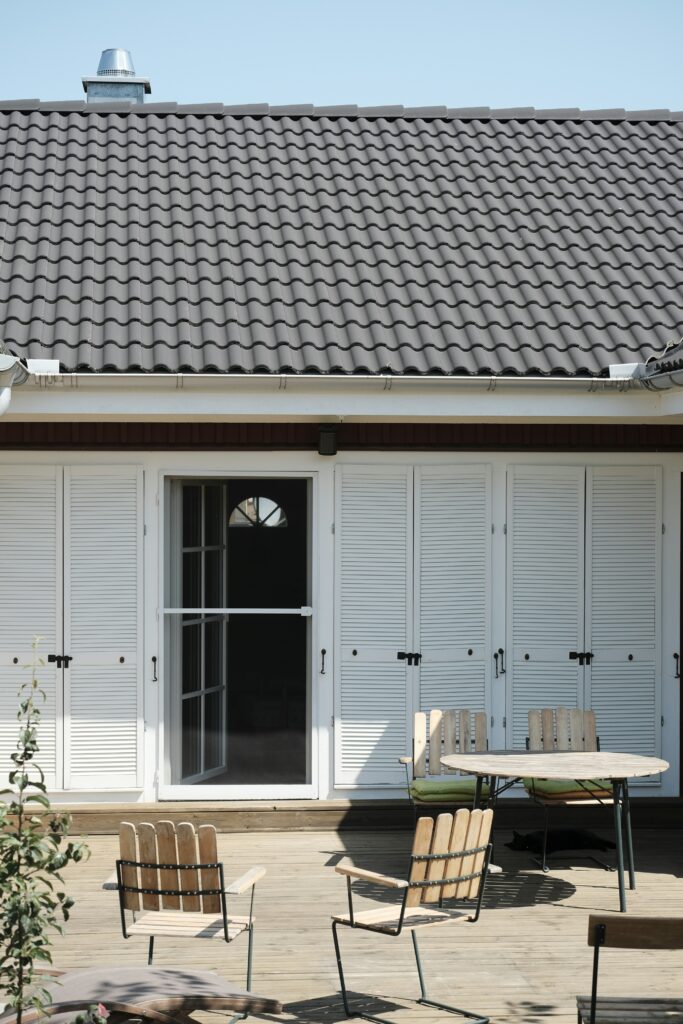
Security: protecting sliding doors from forced entry
Sliding doors are a common entry point for burglars because they can sometimes be lifted off the track or have latches forced. A few steps help.
- Install a track bar or a wooden dowel in the bottom track when the door is closed.
- Fit anti-lift blocks at the top of the moving panel.
- Add a secondary lock or pin lock.
- Apply security film or consider laminated glass for ground-floor doors.
- Keep the area lit and clear of hiding places.
For shops and offices with sliding entrances, see after a break-in: how to secure your business glass.
Repair or replace the whole door?
Repair is the right answer when:
- The track is clean and straight
- The frame is sound and not corroded
- The problems are limited to rollers, weatherstripping or a lock
- The glass is the only item damaged
Consider replacement when:
- The frame is bent, corroded or rotted
- The door leaks despite repairs
- Many components are failing at once
- You want better insulation or a different style
Our sliding doors and patio glass doors pages explain the types we repair and install, and the doors repair page covers general adjustments.
Glass broken right now? 24/7 Glass Ltd answers around the clock across Metro Vancouver. Call (604) 401-4351 or send us your details and we will tell you what to do next.
Safety notes before any DIY
- Never lift a door alone if it is large. Glass is heavy.
- Wear gloves and eye protection when working near edges.
- Do not use force on a stuck door. Find the cause first.
- Do not remove a cracked panel yourself.
- If glass is hanging or loose, keep clear and call someone.
If you are not sure, take a photo of the door from inside and outside, plus a close-up of the bottom corners and the lock. Those pictures help a technician tell you what is likely to be wrong before they arrive.
What a technician does on a service visit
If you decide to call someone, it helps to know what the visit involves, so you can judge whether the quote matches the work. A typical sliding door service includes the following.
1. Inspection. The technician checks the door from both sides, looking at the track, rollers, frame, lock, weatherstripping and glass edges.
2. Removal of the moving panel. The panel is lifted out so the track and wheels can be seen properly.
3. Cleaning and straightening. The track is cleaned, and minor dents may be corrected.
4. Parts replacement. Rollers, lock hardware, weatherstripping and bumpers are replaced as needed.
5. Refitting and adjustment. The panel is reinstalled, levelled and adjusted so it closes tightly and slides smoothly.
6. Testing. The lock, latch and sliding action are tested, and the technician shows you what was changed.
If the glass or the frame needs more than a repair, the technician will explain the options and the timeline for ordering parts.
Sliding doors in condos and townhouses
Many sliding doors in Burnaby, Richmond and Vancouver sit in strata buildings, where the door, the frame and the glass may fall under different responsibilities. Before you order work, check your bylaws and speak to your strata manager. Replacement glass often has to match the existing specification for appearance and energy performance. Taking photographs of the door and noting any stamps on the glass saves time on approvals. If a balcony door is damaged in a storm or by an impact, report it promptly so any common property issues can be handled properly.
Frequently asked questions
Why is my sliding glass door so hard to open?
Usually dirt or debris in the bottom track, or worn rollers. Vacuum and clean the track, apply silicone lubricant, and adjust the roller screws at the bottom corners. If it still drags, the rollers or track may need replacing.
Can I fix a sliding door that fell off the track?
Often yes, with two people lifting the panel back onto the track and adjusting the anti-lift screws. If it keeps coming off, check for worn rollers or a bent track, and have a technician look at it before the glass is damaged.
How do I stop drafts around a sliding glass door?
Replace worn weatherstripping, clear the weep holes, and check the frame caulking. Adjust the rollers so the door closes tightly against the frame. If drafts continue, the door may be out of square or the frame may need repair.
Is it safe to use a sliding door with cracked glass?
No. Most sliding doors use tempered glass, which can fail completely when cracked. Keep the door closed, keep people away, and arrange a replacement or a temporary board-up as soon as you can.
When should I replace a sliding door instead of repairing it?
Consider replacement if the frame is bent or corroded, the door leaks despite repairs, or several parts are failing at once. If only rollers, seals or one glass panel are damaged, repair is usually enough.